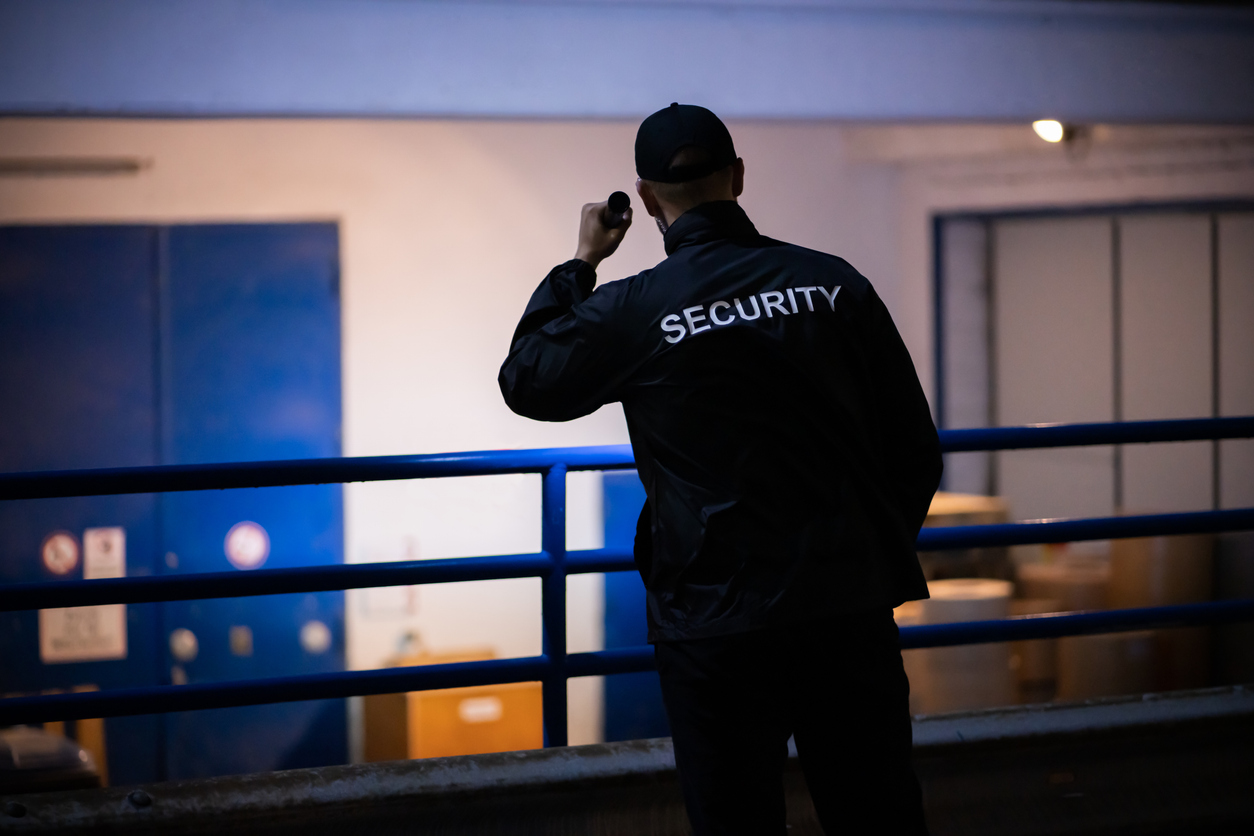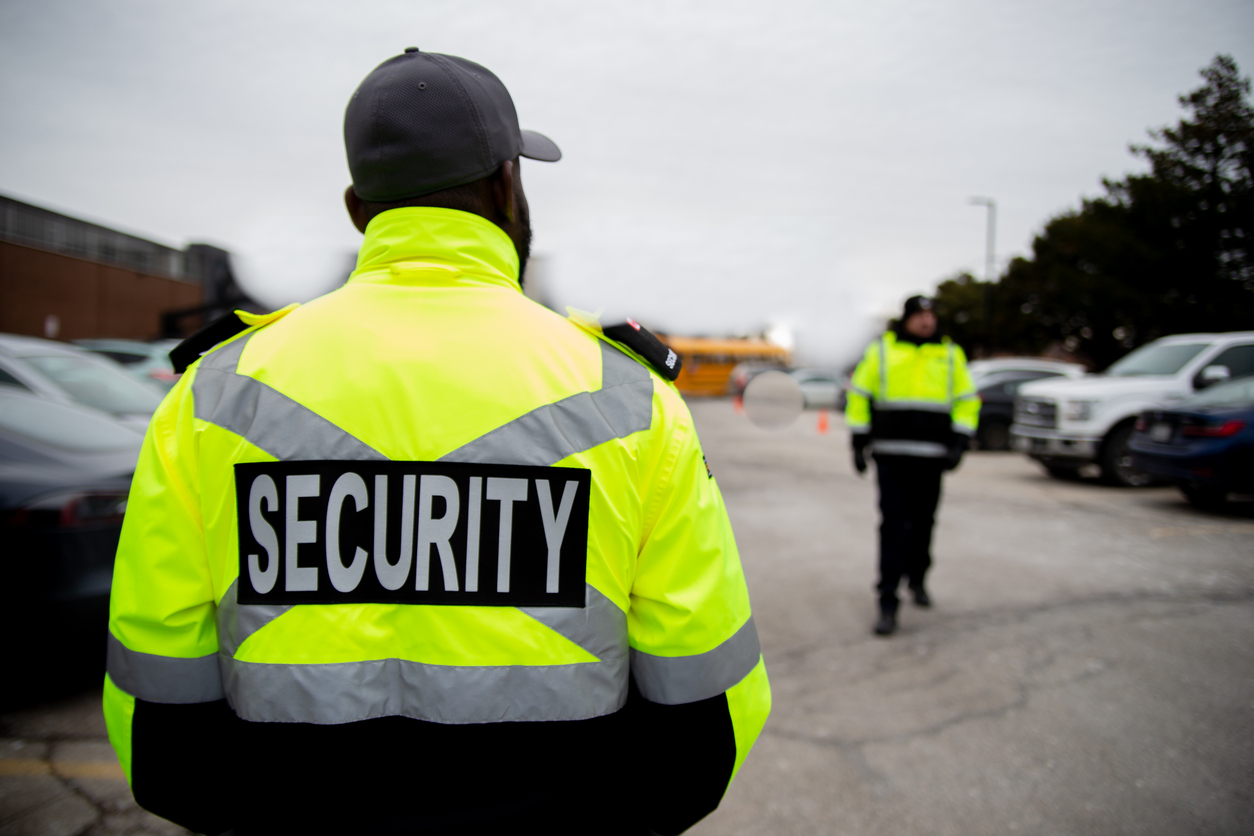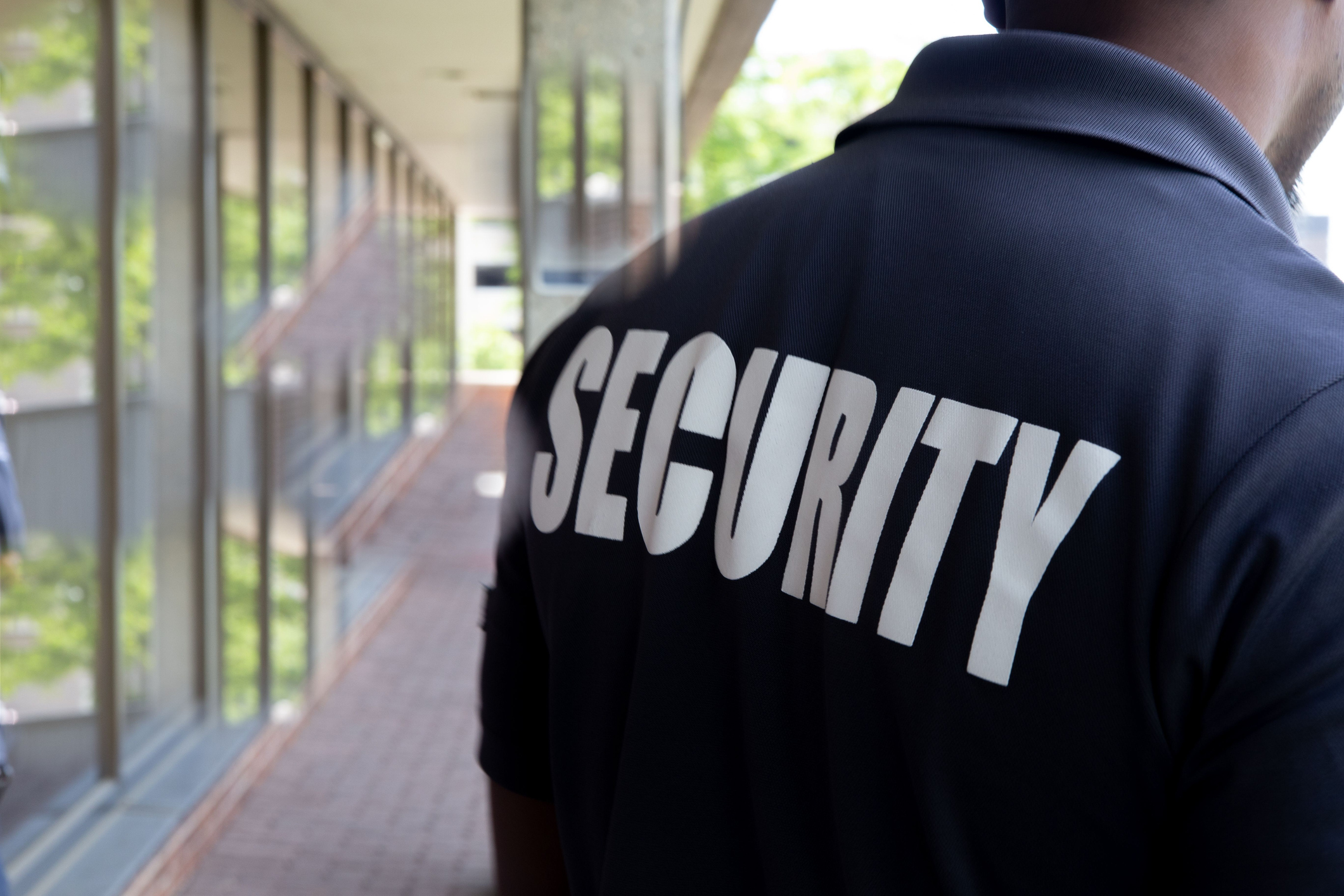
A theft just happened.
No one was hurt but your team is understandably shaken. The store feels exposed. And there’s a question no one wants to say out loud: what if they come back?
The next hour will shape everything that follows. Decisions made will determine whether the situation stabilizes or spirals, whether your team feels supported or left on their own, and whether you’re getting ahead of the risk or falling behind it. It’s the moment when having the right security partner stops being a nice-to-have and becomes the thing that actually matters.
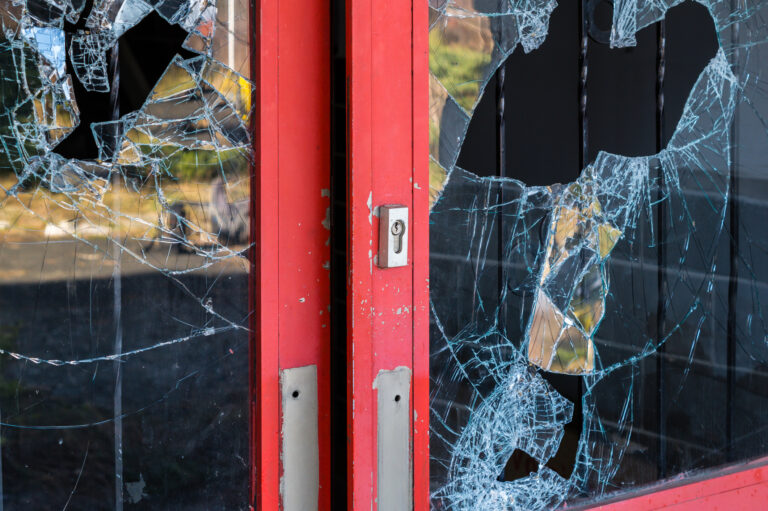
The First Hour Matters More Than You Think
When things go wrong, it’s human nature to focus on what just happened. But what really determines the outcome is what happens next.
The first hour after an emergency incident, teams are still shaken, details are unclear, and the environment can feel unpredictable. When the response is fast and well-coordinated, the window of time can prevent further escalation, reassure employees and customers, shed light on what happened, and reduce long-term risk and liability.
When it’s delayed or disorganized, it does the complete opposite. Teams are left feeling unsupported, details are undocumented, and the door is wide open for things to get worse.
The most common reasons clients call RSS in a true emergency: they can’t properly secure the store, there are active safety concerns, emergency work is being done after hours, or they need protection for staff following a theft incident. Sometimes there’s a clear threat. Sometimes teams just know something feels off and they need a trained presence there in a hurry.
Whatever the reason, the first hour isn’t just about reaction. It’s about setting the tone for everything that follows.
Be Ready Before You Ever Need to Make That Call
A large part of what slows emergency response down has nothing to do with guard availability and everything to do with missing information. Confirmed dates and times, whether an armed or unarmed guard is needed, interior versus exterior post: when those details aren’t ready, the process stalls while someone tracks them down. Having two simple reference points prepared in advance can make a real difference when the pressure is on.
Standing Information to Have on File
This is the baseline your team should have documented and accessible to whoever manages security decisions, before anything ever goes wrong:
- Manager on Duty (MOD) contact information
- On-site staff contact for guard check-in
- Exact location details, including landmarks or parking instructions
- Site-specific access requirements or restrictions
- Any standing safety notes relevant to your location
Information to Gather When Something Happens
When an incident occurs, your on-site team should pull this together before making the call, even if some of it is still developing:
- What happened and the current threat level
- Confirmed dates and times coverage is needed
- Type of guard required (armed or unarmed)
- Post type (interior, exterior, or both)
- Description of any involved individuals, if applicable
- Exactly what you need the guard to do on arrival
The faster this information is ready, the faster RSS can move.
What Happens the Moment You Call
Once an emergency call comes in, the clock starts. With RSS, the process is already in motion before you even pick up the phone. Because you’re an onboarded client, there’s no scrambling to figure out who you are or what your locations require. Your dedicated client manager steps in immediately to confirm the details, prioritize your request, and begin deployment. You’re talking to someone who knows your brand, your stores, and your history, not a call center working from a script.
From there, a few critical decisions happen fast:
- Who is the closest available, qualified guard?
- Do they have the right certifications for the situation?
- What type of coverage is needed: interior, exterior, or both?
- Are there any site-specific requirements they need to meet?
Once selected, guards aren’t sent in without being prepped. They receive a rapid briefing through RSS’s secure platform with key site details, risks, and expectations before they ever set foot on your property.
And while all of this is happening, you’re not left waiting and wondering. You’re getting real-time updates directly from someone who knows the situation: who’s been dispatched, when they’ll arrive, and what’s being done. In most cases, that guard is on-site within an hour of your call.
What Your Team Should Do While the Guard Is in Transit
Your team doesn’t need to manage the security situation. That’s what the guard is for. But there are a few things staff can do in the meantime that make a real difference in how the situation unfolds.
Prioritize people first. Make sure employees and customers are in a safe area and away from any active risks. This is the only priority that matters while the situation is still unclear.
Don’t engage. If the threat involves a person, whether they’re still on-site or may return, instruct staff not to confront or follow. Observation is valuable. Engagement is not.
Observe and communicate. If staff can do so safely, note what’s happening: descriptions, behavior, direction of travel. Pass that information to the on-site contact who will brief the guard on arrival.
Secure sensitive areas. Cash drawers, back offices, stockrooms: if it’s an area that should be locked down, do it now while the store is being stabilized.
Document everything. The more your team captures in real time, like timestamps, what was said, what was taken, and what was observed, the more useful it becomes for reporting, insurance, and any follow-up investigation.
The calmer and more organized your team is when the guard arrives, the faster they can get oriented and take control of the situation.
What Guards Actually Do When They Arrive
Upon arrival, your deployed guard checks in with the on-site contact to confirm they’re in the right location, receive any last-minute updates or post orders, and get a read on the current situation.
From there, they move immediately into an assessment: identifying all entry and exit points, conducting a safety sweep of the property, and gathering the critical information needed to secure the site. Every step is deliberate: establishing a visible, stable presence, reducing the sense of vulnerability your team is feeling and making sure nothing is missed.
Once the environment is stabilized, the guard shifts into the mode appropriate for the situation. That could include maintaining a visible deterrent, supporting staff, coordinating with emergency services, or simply holding the line until the risk has passed.
Time-stamped reports and real-time updates continue throughout, so you always know exactly who is on-site, what’s happening, and when the situation is resolved.
You Can’t Predict an Emergency, But You Can Control the Response
The best time to think about emergency security isn’t after something goes wrong. It’s now, before it does. Building that relationship, having that checklist ready, knowing who you’ll call and what they’ll need from you: that preparation is what separates a chaotic first hour from a controlled one.
You want a partner who’s already moving. Someone who knows your stores, picks up the phone without putting you on hold, and can have a trained guard on-site fast. That’s what RSS is built for.
Ready to have that conversation before you need to have it urgently? Let’s connect.
Latest Blog Posts